Reblog: The Anthropic Class Action Settlement — Writer Beware

As usual, Victoria Strauss at Writer Beware has some of the best coverage of the Anthropic settlement. If you haven’t been watching this lawsuit, the court determined that Anthropic’s AI training falls under fair use, but its illegal downloading of millions of books from pirating websites does not.

Anthropic apparently felt it was too risky and expensive to see the case to completion, with the real possibility of a judgement that falls close to the maximum statutory penalty of $150,000 per pirated work. That payout for even a fraction of the millions of books starts to look like the GDP of a small country. So they settled.

The settlement in this class action will likely grant a payout of roughly $3,000 per claimed work, but with a number of caveats. It only applies to works with proper copyright registration, currently estimated at around 500,000 books. The lawyers will get paid, and for books with a publisher who still holds rights, the publisher will also typically get about half.

If you think your work might be included, check the links from the article. There is an easy search function to see if your work was identified as pirated.

Writer Beware — The Anthropic Class Action Settlement

Unfortunately, many authors will be excluded due to the copyright registration requirement. Many self-published works, and even those with lazy “professional” publishers who never bothered to register their copyright cannot participate. For those who can, it will be months (and maybe longer) before any money sees the light of day.

Victoria also notes that this potentially record-breaking settlement is attracting the scavengers and parasites of the legal world.

Writer Beware — Predatory Opt Outs: The Speculators Come for the Anthropic Copyright Settlement

At least one law firm has targeted authors in the settlement class, trying to convince them to give up their right to participate in exchange for potential future lawsuits and the vague hope of a payout closer to the $150,000 maximum. Participants in the current lawsuit are already complaining that these advertisements and the website backing them amount to outright fraud.

Of course, the current settlement is just about guaranteed to pay something if you’re a qualifying author, and there is absolutely no guarantee that anyone opting out will get a better deal. This is a prime example of trading a bird in the hand for two in the bush.

That said, the current settlement terms are a lot less than many authors were hoping for. Part of the class-action structure gives legal right to any qualifying authors to opt out of the settlement if they have reason to think they can somehow get a better deal.

There are at least 50 other lawsuits pending against the big AI companies over copyright issues, and it’s quite possible that we haven’t heard the last word on the fair use issue, even if it’s not looking good so far for authors’ and publishers’ rights. Judging by the haphazard and questionable ways many of these companies have scraped the internet for training data, there may still be more big payouts yet to come.
Sprayed Edges and Books as Artifacts

I like to think I’m not a materialist, but I do have a propensity to buy too many books. This year I’ve been working on buying fewer and reading more. I’ll get through that TBR list some day…or some year. Now, I buy e-books and audio books, but I do have a soft spot in my heart for a real, physical book.

The Cheapening

I grew up in the 80s and 90s, before e-books, when the paperback was truly at the height of its power. In fact, I tended to prefer paperbacks over hardbacks, with their finicky dust covers and heavy bindings.

Paperbacks are a great, cheap form factor. If all you care about is getting those sweet, sweet story-words into your eye-holes, paperbacks are a great option. They are just not a high-quality option. These days, trade paperbacks don’t seem to be much better than mass market paperbacks either. I find that many comic collections and graphic novels are ready to come apart at the binding with minimal provocation.

In general, I think the last four or five decades of physical publishing have been all about trying to shave pennies off the print cost. E-books and print-on-demand upended the publishing game, and the industry feels like it never quite got its feet back under it.

Books as Artifact

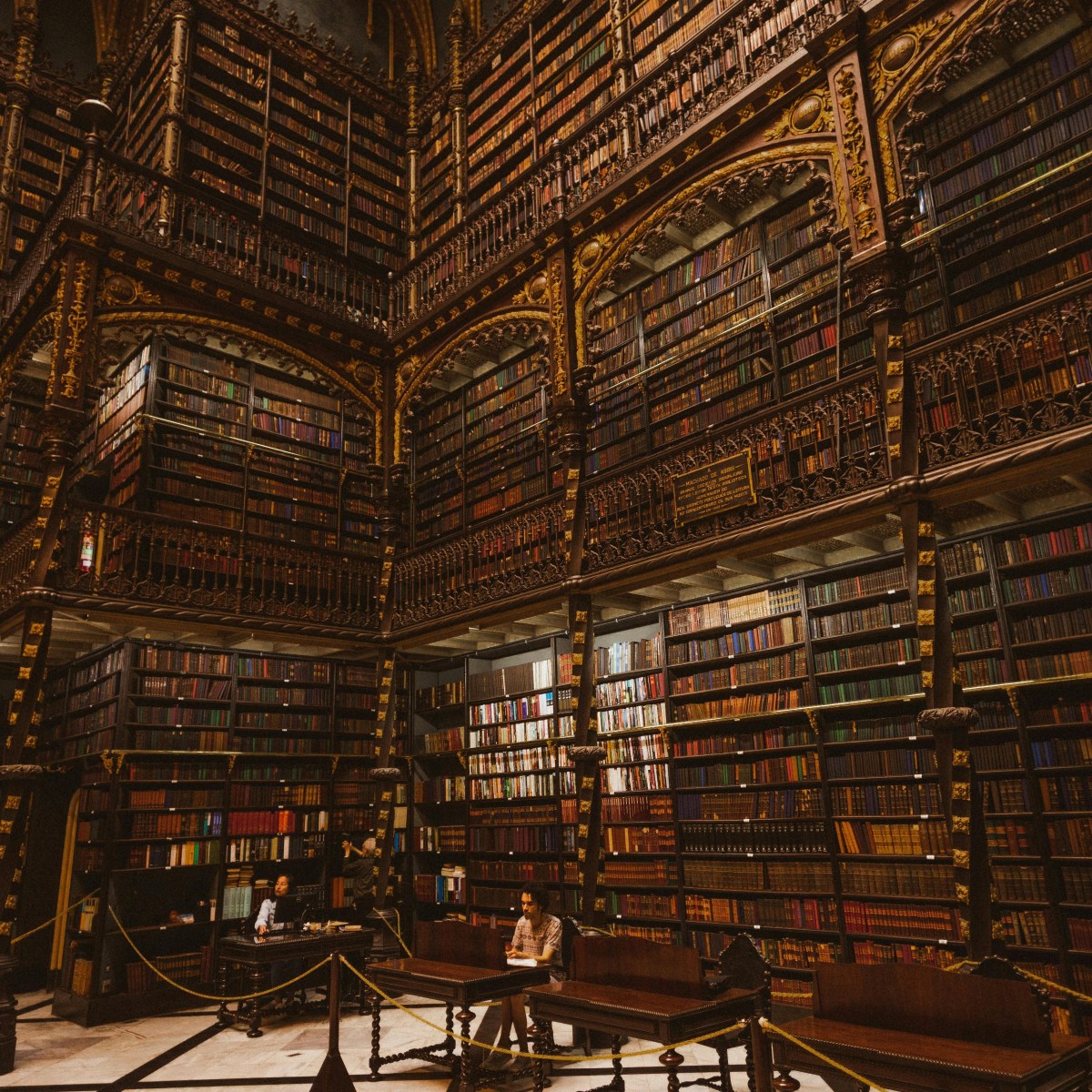
There is something to be said for books as a physical artifact. There is a satisfaction to a full bookshelf that simply can’t be replicated by an app or e-reader. Even though I don’t like the experience of holding and reading a hardcover book as much as a light paperback (that I can force into a pocket if need be), I love the look of a shelf full of embossed leatherbound books.

In the drive for cost cutting, the industry has spent less and less effort on the physical beauty of books. It’s not unreasonable, but it is unfortunate. I would love to see publishers experimenting with more ways to differentiate the look of books on the shelf, even if I admittedly don’t want to spend $50 or $100 on some ultra-fancy collector’s edition.

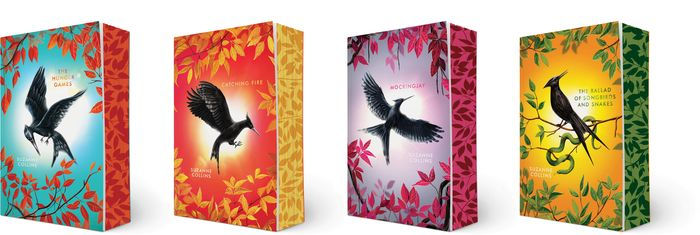
Browsing the bookstore recently, I saw one indicator that someone is thinking along those lines. Many of the books in the special front-of-store featured sections now have sprayed edges.

(Pic courtesy of Barnes and Noble)

These special editions tend to be the best-sellers or the big-buck new releases that the publishing oracles have selected for special treatment, but hey, that’s nothing new. Publishers have always consulted the oracles and picked certain books for special treatment.

I’m sure something in the printing tech has changed recently to make this cheaper and more accessible, because there are a ton of these now. And while some people clearly find it off-putting, I personally like it.

Let’s find more reasons to get excited about books! Let’s make them look cool and different. Let’s enjoy them as beautiful artifacts on the shelf, instead of merely that guilty pleasure that I indulge a little too often. Heck, as long as we’re at it, I want to see more embossing and fake gold leaf and variant covers.

What do you think? Do you like fancy books? Are you interested in books as artifacts, or are you all about jamming the story-words in the eye-holes with a complete disregard for their containment vessel? Let me know in the comments.