
Book | E-book | Audiobook (affiliate links)
I first discovered Amal El-Mohtar as the co-author of This is How You Lose the Time War with Max Gladstone. (I’ll even take the hipster cred of loving that book years before it was cool.)
With any multi-author work like that, I always wonder how I’ll feel about the things that come later. Much like a great song with a featured artist, you never quite know if it’s the band, the guest, or some unreproducible magic in the collaboration itself.
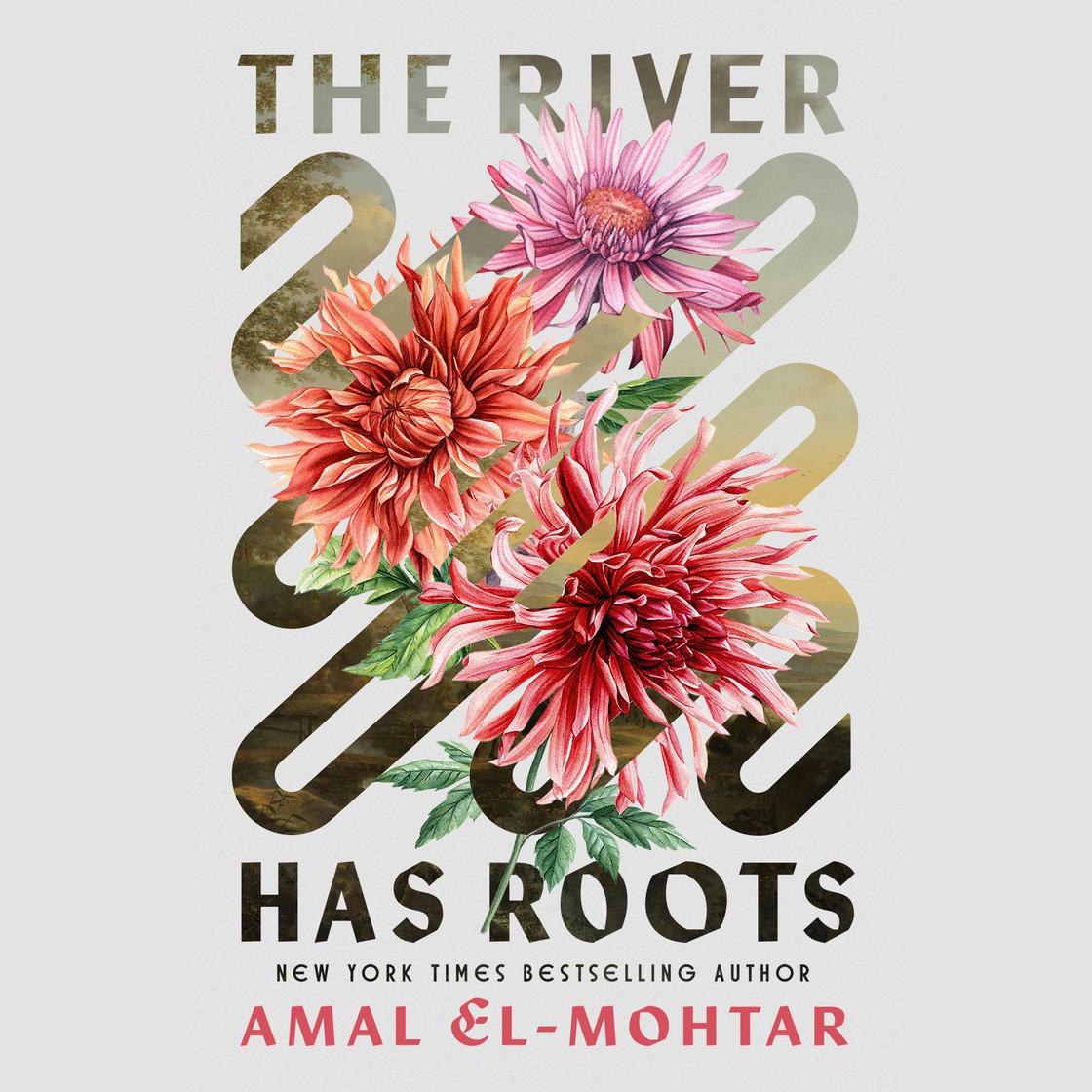
However, I’m pleased to report that even though it is very different, I enjoyed El-Mohtar’s The River Has Roots just as much as that previous book.
Audio Considerations
There’s no question that different formats can have an impact on the experience of a book. I first “read” Jeff Vandermeer’s Area X trilogy as an audiobook, and recently re-read the first book, Annihilation, in paper. It’s a dense and challenging book in places, and I found the ability to easily re-read and compare previous pages allowed me to take in more of the information on the page. On the other hand, the audiobook forced my attention and lent a certain claustrophobic feeling to parts of the story that was in many ways complimentary to the text.
I also “read” The River Has Roots as an audiobook. It’s worth noting that this audiobook includes set-dressing in the form of gentle background noise: a burbling river, a bustling market, a whispering forest. This background audio is done well, and suits the story nicely. After my initial surprise, I never found it overbearing or distracting.
Songs are an important theme of the story, and these are fully sung. I was delighted to find out after the fact that the music was actually performed by the author and her sister, including harp and flute parts. These elements put it somewhere between audiobook and radio play.
Finally, I’ll note that the narrator has a strong accent — my uninformed guess was Irish, although one of the book’s blurbs suggests that it’s “rural English.” As an American, I found myself needing to pay a little more attention than usual at the beginning of the story. By the end, I had no problem following whatsoever. The narrator, Gem Carmella, convinced me that the audiobook wouldn’t have been quite so effective without her voice.
The River Has Roots isn’t a long book. It’s listed at 144 pages. My audio edition claims a length of 3:53, but a full hour of that is actually a preview of El-Mohtar’s upcoming book of short stories.
I’ve said before that I appreciate the trend toward more acceptance of novellas in recent years, although I’d confess that I have a tough time justifying the purchase of a hardback book of that length for the $24 list price. Luckily, the audiobook was a steal on end-of-year holiday sales, and is still less than half the price of the hardcover.
A Modern Fairy Tale
The fantasy genre has come a long way. Even for those who still ape Tolkien, a significant amount of codification and shorthanding has occurred. And in backlash against that, all sorts of sub-genres and new offshoots have emerged. For the most part, modern fantasy feels quite different from ancient myths and folk stories that have been handed down more or less intact across centuries. Even if they do share certain key features.
The River Has Roots is very much trying to evoke the feeling of fairy stories, and I think it succeeds. Part of that is having the right kinds of imagery and road markers: a world just like our world, where magic is accepted as real. Sisters living in close proximity to a Faerie land. Songs with power. Witches and secret lovers and villainous suitors who are really just after the family fortune.
Beyond those many surface-level things that are easily recognizable as “things that fit into fairy stories,” there is a certain mode of speech, a certain way of unfurling the story that also contributes to this feeling. In The River Has Roots, magic is called grammar, and wizards are grammarians. El-Mohtar has found the magical grammar of the fairy story and deployed it perfectly here.
It is a common trope to suggest that fairy stories are required to have a happy ending where all the wrongs are put to rights. It’s one of those truisms we accept without thought, and it’s also not true. It’s well-known that many of the Disney versions of classic stories were changed, their dark and horrible endings often considered too depressing or gruesome. I won’t spoil the ending here, except to say that it treads that knife edge well, and could perhaps be best described as melancholic.
If you’re in the mood for something short and sweet, modern and well-crafted with the feel of something older and wiser, The River Has Roots is an excellent choice.


 Words Deferred