In the old days, man tried to catch a glimpse of the future in the strangest of ways.
they locked themselves in dark rooms
not partaking of food and drink
At the stroke of midnight
they ventured out into the night
through the dark woods
when strange creatures roamed
To see if they would be healthy
To see if they would be happy
To see if they would live
To see if they would be loved
After playing and thoroughly enjoying Device 6, I went into the back catalog for the game’s developer, Simogo. It’s a strange history, including a simple puzzle game (SPL-T), a rhythm game (Beat Sneak Bandit), a physics game (Kosmo Spin), and a strange side-scrolling driving game where you move the ground instead of the car (Bumpy Road). It’s clear that Simogo was innovating in a variety of ways, and not willing to stick to one genre.
However, Device 6 hit my brain just right because of the combination of interesting mobile-tailored interactions and interwoven story, and the old Simogo games fitting that mold seem to be Year Walk—released before—and The Sailor’s Dream—released after. I decided to try Year Walk first.
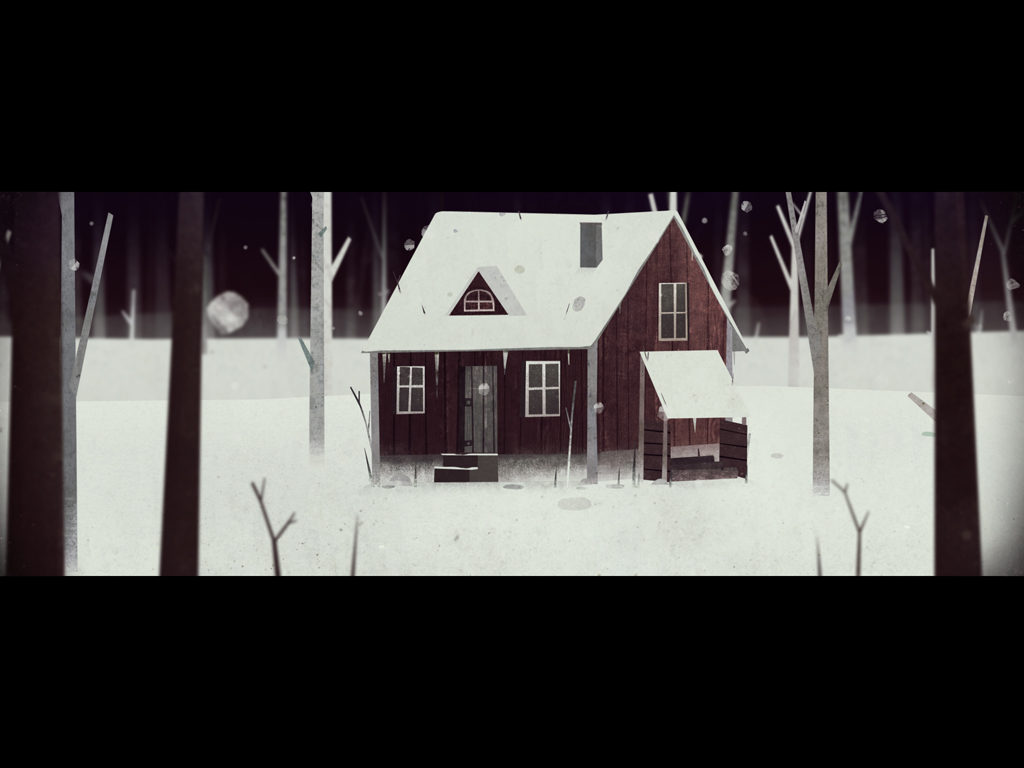
Cabin in the Woods
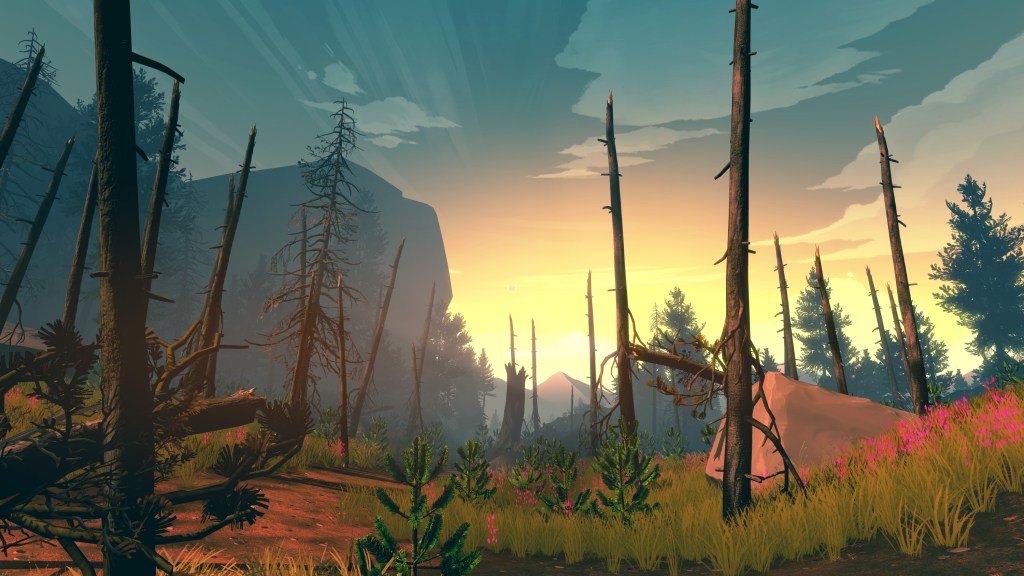
The game opens with the strange and cryptic description of Year Walking (an actual form of ancient Swedish divination: årsgång). However, you start by walking the woods during daylight, in deep winter.
Navigation is confusing at first. Scroll left and right with a finger. Swipe up or down where arrows appear at the edges of the screen to zoom into or out of the landscape. The world is a multi-layered paper cutout, and zooming takes you from one layer to another, while walking left and right show off the depth as the layers parallax.
Faint film grain adds a cinematic quality. The music is quiet, sometimes almost non-existent. As you move, boots crunch in the snow.
Eventually, by learning the controls and exploring, you find your way to a windmill. The miller’s daughter is there. You clearly love her, but does she love you? Either way, she’s betrothed to another. So you leave, returning to your cabin, vowing to year walk to see whether you will be with her in the future.
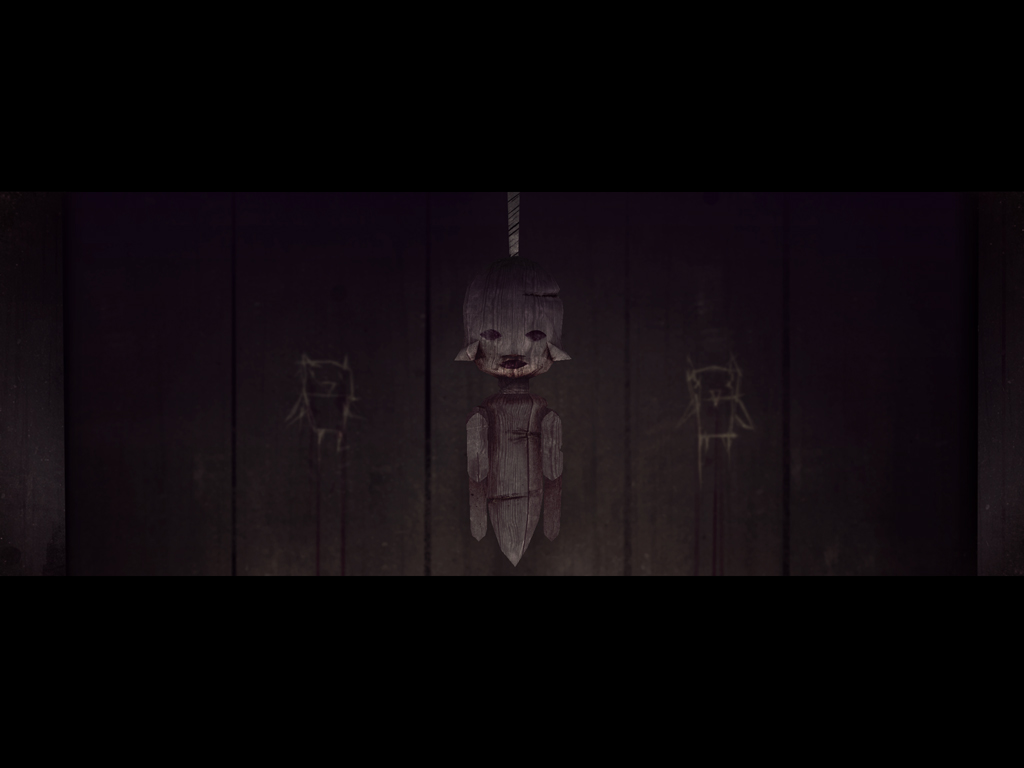
Moderate Dread, Mild Irritation
Year Walk is an atmospheric horror game with almost no dialogue. You walk the woods at night, coming across phantasmagorical visions and obscure creatures from Swedish myth. There is a little blood and a few jump scares.
For the bulk of the game, the story must be inferred from vague hints. This is a puzzle game, and the puzzles are challenging and obtuse. No real hints are given in the iOS version, although apparently the Steam version and Simogo’s game collection for console has a hint system. However, there are a couple puzzles here that rely on mobile functionality which had to be reworked for other platforms.
I wouldn’t consider myself a puzzle master, but I do alright. For Year Walk, I had to use a guide to finish. The puzzles require some significant leaps of logic and aren’t nearly as clearly demarcated as in Device 6. One puzzle I missed completely because the interface made it unclear that the scene could be interacted with.

The Companion
The game points you subtly to the Year Walk “companion app,” and gives you a number. This is a completely separate, free app in the store, which describes some of the mythology that the game was based on. It’s written from the perspective of a researcher, and using the code grants you access to his secret personal journal.
This was where the game became more interesting to me—after it was ostensibly over. The journal, hidden inside this separate app, has the same ARG feel that Device 6 dipped its toes into.
Journal entries and blurry photographs document the life of a scholar researching the practice of year walking, trying to find old records or elderly people who may be familiar with the nearly forgotten folk ritual. His research leads him to a small town where the last recorded year walk may have occurred. It is somehow intertwined with a strange murder, for which the walker was convicted and executed.
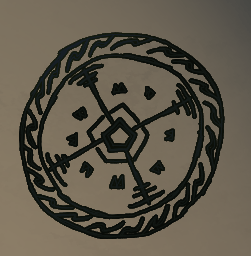
The scholar’s own writing becomes more erratic and unhinged as he continues to unravel new threads. He finds a wooden box in the woods, locked by a mechanism with strange symbols. And here is likely where most players suddenly remember that this box appeared near the start of Year Walk, a puzzle that was never solved over the course of the game.
The scholar decides he can stop the murder that occurred decades previous. He can use the box to send a message through time. If only he can open it.
If you can decipher the code from his journal, you can restart the game, find the box, and open it to discover the message the scholar sent. This reveals a different, but no less bloody ending to the story.
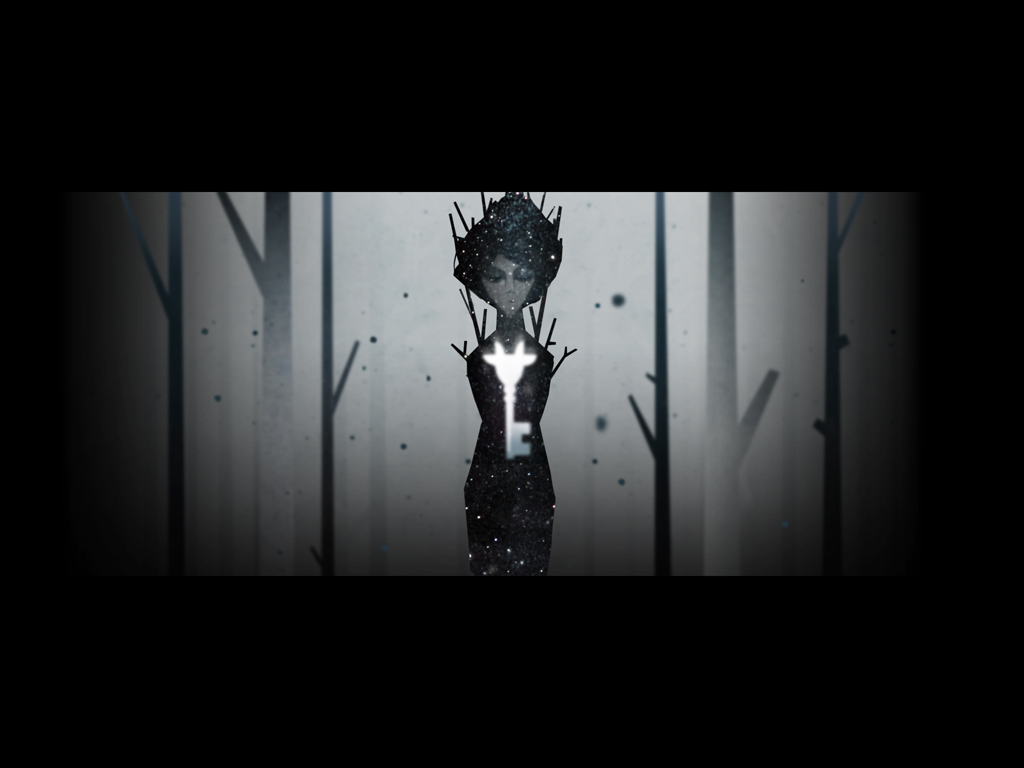
A Sign of Things to Come
I found Year Walk to be slightly less polished and more frustrating than Device 6, but this final sequence went a long way toward improving my opinion of it. I can see the creative impulses and connective tissue between these two games. Year Walk…walked…so Device 6 could run.
I can’t say I would recommend Year Walk unequivocally. If you enjoy strange horror, challenging puzzles with no hand-holding, obscure Swedish folklore, or experimental games, it might be worth a few bucks and a look in.
How to Play
Year Walk is $6 on iOS and Android. It’s also available in a modified format on Steam for PC, and oddly enough, in yet another differently modified form for the Wii U. It is included along with many other games in the recently released Simogo Legacy Collection.