
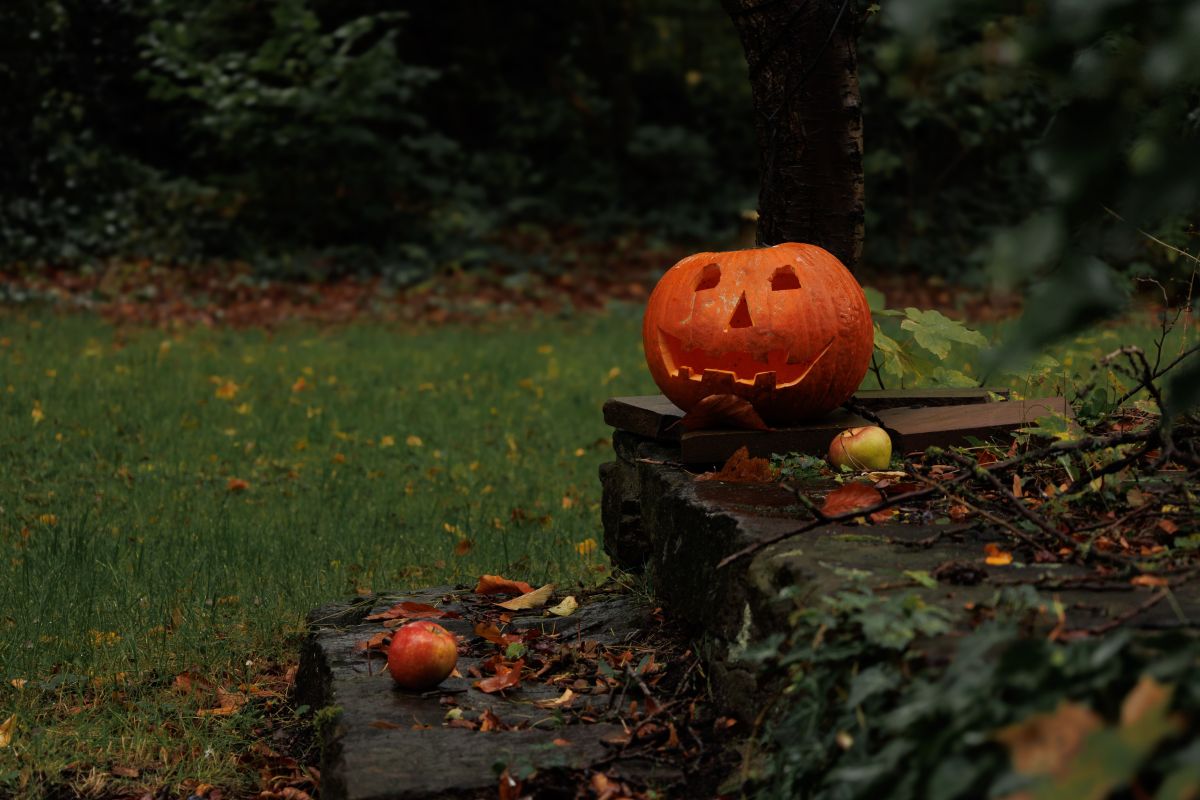
It’s the beginning of November, and I’m sitting on my front porch writing this. My children have co-opted my laptop to play Minecraft, so I’m tapping with thumbs on a little phone screen. I don’t mind. It feels like a good day to take things slow.
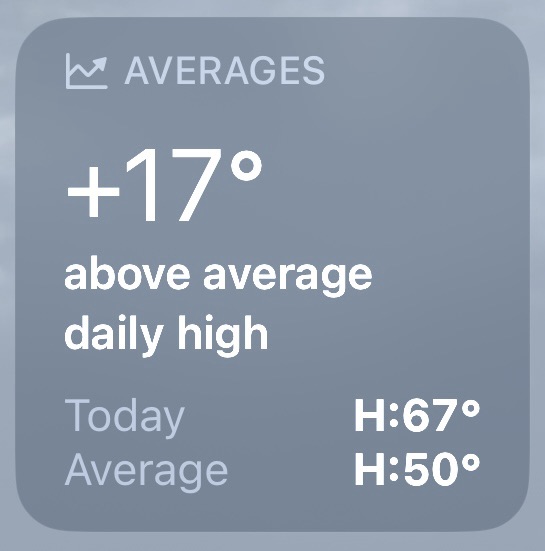
It’s unseasonably warm out for Minnesota November, although “unseasonable” seems to have less and less meaning these days, thanks to climate change. If you talk about Halloween weather with any middle-aged Minnesotans like me for more than two minutes, they will inevitably bring up the Blizzard of ‘91. I remember trick-or-treating, trudging through knee-high snow, wearing a cowboy costume over my snow pants.
Today, we’re past Halloween, but it feels like it could still be late summer. But even with the warm weather, Halloween feels like a moment of transition. There’s a reason for the long tradition of fall festivals at this time of year. We may feel more disconnected from the natural world as modern humans, but there’s still something in our bones, in the shadowy recesses of our lizard brains, telling us that this is a time to prepare for death and sleep, and short, dark days. We feel it just as much as the squirrels and birds in my yard, frantically storing up supplies for winter.
Halloween is an oddity among the holidays. Where winter holidays tend to be saccharine joyfulness and spring and summer holidays are all about growth and life, Halloween is a mixed bag of ideas and emotions. It’s Samhain, harvest festival; All Saints Day, festival for the dead; a time for parties and for ghouls and goblins and sometimes fear and horror. Gourds and candy and blood. It’s a mixed-up melancholy holiday.
It may sound odd, but melancholy is my favorite emotion—in the things I write, in the books I read, and in the movies and TV I watch. If you want to grab me with a story, a melancholy ending is a great way to do it. If the protagonist wins, they better have scars.
This Halloween, with the changing climate so readily apparent and another round of seemingly critical elections just days away in America, it feels like it may be even more of a season of transition than usual. I work in an industry that is deeply impacted by AI. I see its effects every day. This week ended with a major downturn of the market, as Big Tech continues to incinerate money in a seemingly endless AI buildout with no near-term prospects for profit.
The future feels deeply uncertain. It’s hard to know what is good and what is bad. Perhaps things are getting worse. Perhaps people are fighting back. There are good reasons for both optimism and pessimism.
There seemed to be fewer kids out trick-or-treating this year. Some are chauffeured from house to house by parents in minivans. A few have homemade costumes, but most are off-the-shelf Spidermen and princesses. It seemed like fewer houses were lit up and giving out candy, and fewer kids out ringing doorbells. Maybe it was just a side-effect of the drizzly, wet evening.
All of it feels somehow more distant, more disconnected, less wild and exciting and faintly dangerous—which is how it felt to me to go out trick-or-treating with my friends as a kid. I wonder if we’re all still recovering from Covid and social distancing. I wonder if we’ll be recovering for the rest of our lives.
Then again, I’m quickly becoming an old man, with a bad back and a propensity for melancholy. It’s easy to see things change and think they’ve gotten worse, when they’re really just different. My parents certainly had times when they knew things had gotten worse. So did their parents. We’re only able to gauge those changes clearly in retrospect.
For the moment, I’m content to enjoy an unseasonably warm day, sitting on the porch and writing, smelling wood smoke from my neighbor’s fireplace. Tonight it will be cold and rainy, and a day closer to winter. And that’s alright too.

